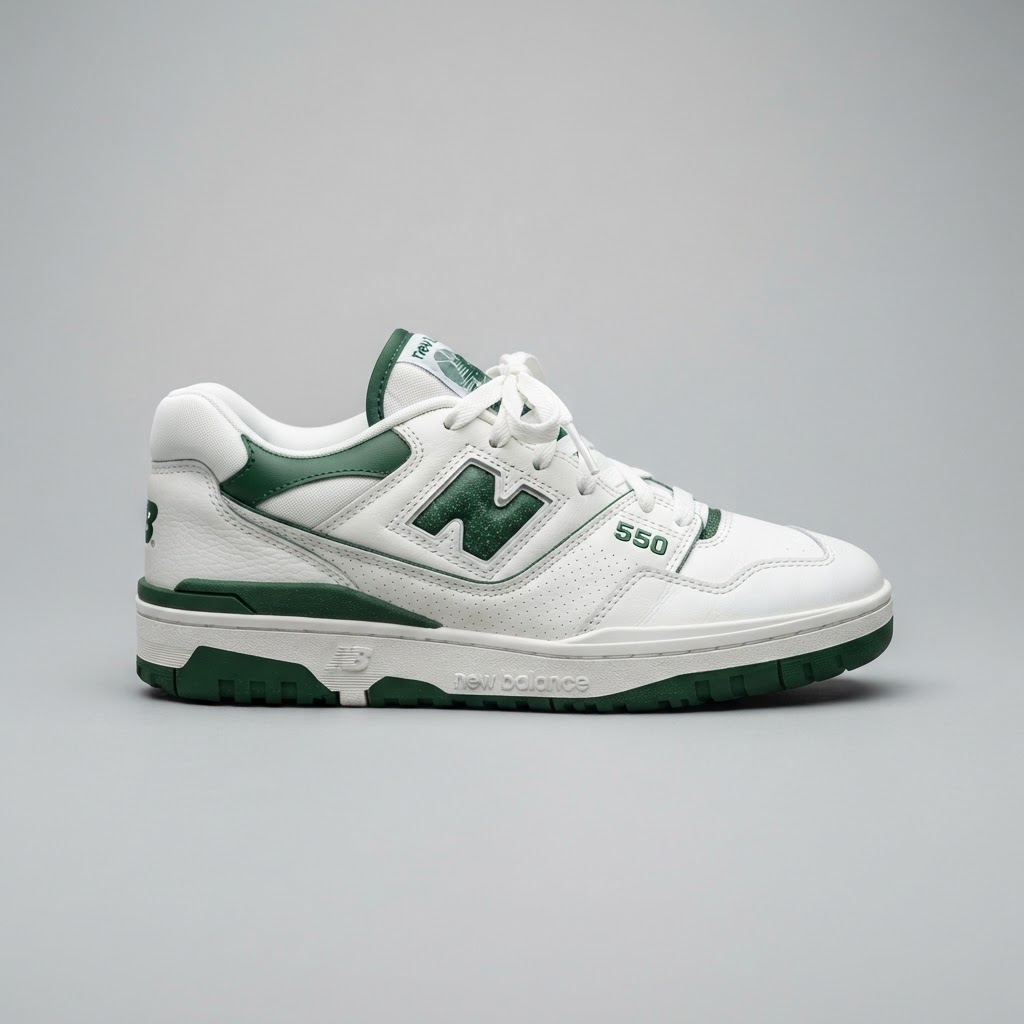
New Balance Resale Value Guide: Made in USA vs Overseas, Model Demand, and Pricing Strategy

New Balance resale value is highly model-driven and strongly influenced by production origin. While many general-release pairs resell modestly, Made in USA and Made in UK models — especially collaboration releases — can command strong premiums.

Understanding the difference between lifestyle hype and standard athletic production is critical when pricing New Balance.

Why New Balance Holds Resale Value

New Balance has experienced strong resale growth due to:

  • Premium “Made in USA” positioning

  • High-quality materials

  • Comfort reputation

  • Fashion crossover demand

  • Limited collaborations

Unlike some athletic brands, New Balance resale is not driven by hype alone. It’s driven by:

  • Model tier

  • Production origin

  • Colorway desirability

  • Condition

Made in USA vs Made Overseas

Made in USA

Manufactured in domestic factories, typically in Massachusetts.

Resale implications:

  • Higher retail price originally

  • Premium materials

  • Strong fashion credibility

  • Strong resale ceiling

Common Made in USA models:

  • 990 series (990v3, v4, v5, v6)

  • 992

  • 993

Typical resale:

  • $120–$300+ depending on condition and model

Made in USA pairs consistently outperform standard global production models.

Made in UK

Manufactured in Flimby, England.

Often limited runs and premium materials.

Resale range:

  • $150–$350+

UK production is often seen as slightly more limited and fashion-forward.

Global Production (Vietnam, China, Indonesia, etc.)

Most general New Balance sneakers are produced overseas.

Examples:

  • 574

  • 515

  • 997H

  • Basic running models

Typical resale:

  • $40–$100 used

Modern mass-production models have modest resale margins unless rare colorways.

High-Demand New Balance Models

990 Series

The 990 line is the resale backbone of New Balance.

Popular versions:

  • 990v3

  • 990v4

  • 990v5

  • 990v6

Strong performance due to:

  • Comfort reputation

  • Dad-shoe aesthetic

  • Made in USA labeling

Resale range:

  • $120–$250+ used

  • Higher for collaborations

992 & 993

Highly desirable, especially in grey.

Resale range:

  • $150–$300+

Strong lifestyle and fashion demand.

Collaboration Releases

New Balance collaborations significantly increase resale potential.

Common collaborators:

  • Aimé Leon Dore

  • Joe Freshgoods

  • Kith

  • JJJJound

  • Salehe Bembury

These pairs can range:

  • $250–$800+ depending on rarity

Collaboration status dramatically changes resale tier.

Condition Sensitivity

New Balance resale value drops with visible wear.

Buyers evaluate:

  • Midsole discoloration

  • Suede wear

  • Mesh tearing

  • Sole wear

  • Heel compression

Suede-heavy models require careful inspection. Scuffed suede lowers resale more than minor sole wear.

See:

Size Demand

New Balance resale value shifts by size.

Strongest demand typically:

  • Men’s 9–12

Lower demand:

  • Very small or very large sizes

  • Certain women’s-only models unless fashion-driven

Size can change pricing by 10–25% depending on model.

Vintage New Balance

True vintage (80s–90s USA production) can command collector pricing if:

  • In wearable condition

  • Rare colorway

  • Clean soles

However, many vintage pairs are too worn to carry strong resale value.

Common New Balance Resale Mistakes

Treating All 574s Like 990s

574 models are mass-produced and rarely command high resale.

Ignoring Production Origin

Made in USA / UK carries a pricing premium.

Overlooking Collaboration Branding

Collabs significantly impact demand.

Pricing From Retail Instead of Sold Data

Retail price does not equal resale value.

Underestimating Suede Damage

Visible scuffing lowers buyer interest quickly.

Typical New Balance Resale Ranges

574 / mass models$40–$90

990 series (USA)$120–$250

992 / 993$150–$300

Collaboration pairs$250–$800+

Made in UK$150–$350

Rare collaborations or limited runs may exceed these ranges.

Quick Evaluation Checklist

Before buying or listing New Balance:

  • Confirm production origin (USA / UK / Overseas)

  • Identify exact model number

  • Check collaboration status

  • Inspect suede condition

  • Evaluate sole wear

  • Confirm size demand

  • Review recent sold comps

If unsure about model ID from outsole pattern or tongue tag, image-based pricing tools can help narrow likely resale brackets before checking detailed comps.